Punjab, Uttar Pradesh, Delhi, Rajasthan, Haryana, Chandigarh, North India, Uttarakhand
About Roof Ventilators
Roof ventilators are devices installed on rooftops to exhaust stale, hot, or humid air from buildings, improving air quality, reducing cooling costs, and preventing moisture damage like mold and structural issues. They work by creating airflow, with types including wind-driven (turbines) that use wind power, powered (fans) that use electricity for consistent exhaust, and static vents for passive airflow, finding use in homes, factories, hospitals, and commercial spaces. Key benefits include temperature control, moisture removal, and increased energy efficiency.
Types of Roof Ventilators
Powered Ventilators: Use electric fans to actively pull air out, effective in low wind, but require electricity.
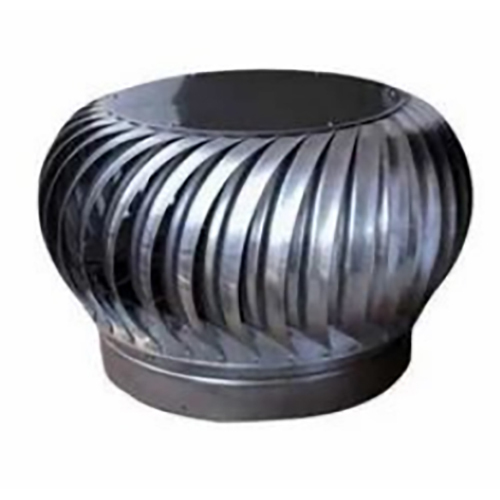
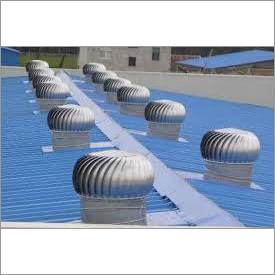
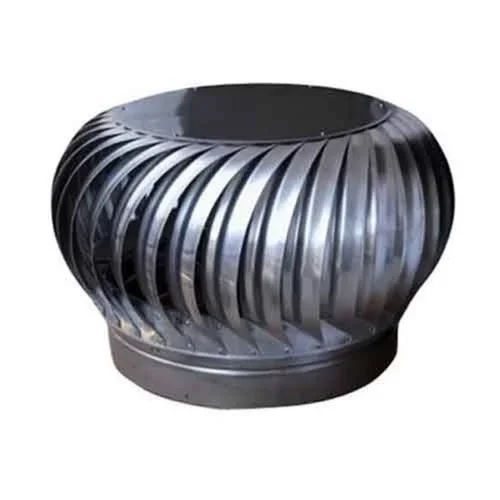
Wind-Driven Ventilators (Turbines): Spin with the wind to create suction, eco-friendly and low maintenance.
Static Vents: Passive vents like ridge vents that allow natural air exchange.
Key Benefits
Temperature Regulation: Removes hot air, reducing AC load and saving energy.
Moisture Control: Prevents condensation, mildew, and mold growth in attics and structures.
Improved Air Quality: Exhausts fumes, dust, chemicals, and odors from industrial or commercial spaces.
Energy Savings: Reduces reliance on air conditioning, lowering utility bills.
Applications
Industrial Sheds & Factories
Warehouses & Godowns
Hospitals, Schools, & Offices
Restaurants & Hotels
Residential Homes (attic ventilation)
Considerations
Installation: Proper placement (e.g., low eaves for cool air intake) and professional installation are important.
Material: Often made from aluminum or FRP (Fiber Reinforced Plastic) for durability.
Features: Some offer variable speed, smart connectivity, or automation.
Price 1800.0 INR/ Piece
Minimum Order Quantity
1 Piece
Main Domestic Market
Punjab, Uttar Pradesh, Delhi, Rajasthan, Haryana, Chandigarh, North India, Uttarakhand